December 29, 2025
A well-maintained plumbing system not only supports daily comfort and convenience—it also protects your home from costly repairs and potential damage. By staying proactive, homeowners can extend the life of their pipes, prevent unexpected breakdowns, and save money in the long run. This article explores effective strategies for keeping plumbing systems in top condition, from routine inspections and preventive maintenance to practical water conservation practices. With the right approach, it’s possible to preserve your plumbing’s performance and efficiency for many years to come.
1. Conduct Regular Inspections
Spotting small leaks early can save homeowners both time and money. Regular visual inspections can help identify these issues before they escalate. Pay special attention to areas around sinks, toilets, and faucets, as these are common leak points. In addition to visual checks, homeowners should understand how to read their water meters. A rapid increase in usage can indicate hidden leaks, prompting a more detailed investigation.
Water pressure plays a significant role in maintaining a healthy plumbing system. We've found that, ideally, household water pressure should be between 40 and 60 psi. If the pressure is too high, it can put undue stress on pipes, leading to bursts. On the other hand, low water pressure might indicate a blockage or a potential leak. Homeowners can easily check and adjust water pressure using affordable pressure gauges available at most hardware stores.
Maintaining appropriate water pressure can help extend the lifespan of plumbing fixtures. Sudden changes in pressure can weaken joints and lead to failures over time. Regularly monitoring your water pressure ensures that you catch irregularities early. Adjustments can often be made at the main water valve, ensuring water flows optimally throughout the home. Proper water pressure management is essential for both conservation and maintenance.
The materials from which your pipes are made influence their durability and susceptibility to wear. Historically, homes used a variety of materials, including copper, PVC, and galvanized steel, each with its own lifespan. Homeowners should take note of the installation dates and materials used for their piping systems. This can help determine when replacements might be necessary, potentially avoiding catastrophic failures.
Understanding the types and ages of pipes used in your home can guide future maintenance and replacements. The material dictates how the pipes respond to wear, temperature changes, and pressure fluctuations. By conducting periodic assessments and seeking expert input, homeowners can keep their systems in top condition. This proactive approach ensures that any potential vulnerabilities are spotted and addressed promptly. Early intervention can prevent expensive water damage and ongoing plumbing issues.
In some U.S. regions, older homes may still have lead pipes, which pose health risks. These homeowners must prioritize replacements to avoid contamination. According to Jobber, there are more than 132,000 plumbing businesses in the United States alone. Thankfully, many of those plumbing services specialize in pipe replacement and system upgrades. Identifying the right service provider can lead to more efficient and safe plumbing systems. As technology advances, newer installations offer improved durability and efficiency.
Drains are essential to efficient wastewater removal. Regular evaluation of drainage helps to prevent clogs and ensure efficient water flow. To maintain smooth drain functions, homeowners should periodically check for slow drainage, which could signal blockages. Simple tools like plumbing snakes or environmentally-friendly solutions can clear small blockages. When issues persist, consulting a professional can prevent further complications.
2. Implement Preventive Maintenance
Preventive maintenance is an effective way to maintain clean and efficient plumbing systems. Regular drain cleaning prevents build-up and maintains the ideal flow of wastewater. While it’s tempting to reach for chemical drain cleaners, they can damage pipes in the long run. Instead, try natural solutions such as baking soda and vinegar as a safer alternative. This natural concoction effectively breaks down residue without harming plumbing infrastructure.
Natural cleaning methods are beneficial for both pipes and the environment. Most homeowners find that periodic use of these solutions keeps pipes flowing smoothly. Incorporate monthly or quarterly cleanings into your routine maintenance schedule for best results. This habit serves as a proactive defense against potential plumbing issues. Prioritize eco-friendly solutions to engage effectively in local and global conservation efforts.
Hard water is a common issue that affects many households, especially in regions with high mineral content in the water. Installing water softeners is an effective way to combat this problem. These systems reduce mineral build-up in pipes, extending their lifespan and improving water quality. Additionally, softened water is gentler on appliances, ensuring optimal performance and minimizing wear. With reduced mineral deposits, home maintenance becomes significantly simpler.
Softened water benefits extend beyond plumbing to the entire household environment. It results in cleaner dishes, softer laundry, and improved effectiveness of soaps and detergents. Homeowners often observe a reduction in scale build-up around faucets and showerheads. Implementing a water softening system might involve an upfront investment, but the long-term benefits far outweigh the costs. Consult with professionals who specialize in these systems for tailored advice and installations.
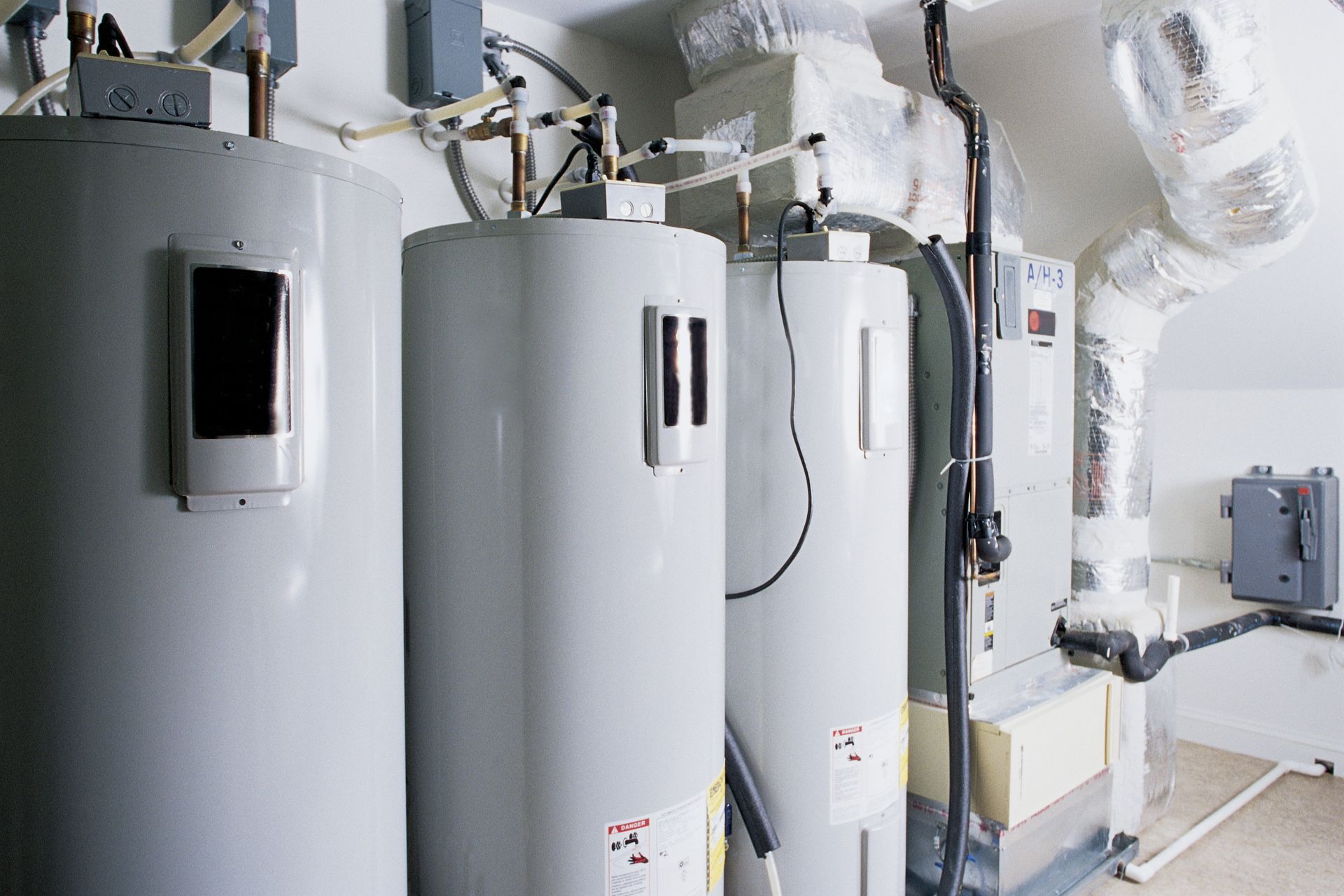
A water heater flush is a vital maintenance step to ensure efficient functioning. Over time, sediment builds up in heaters, reducing their efficiency and lifespan. An annual flush helps remove these deposits, ensuring optimal heat transfer and performance. This practice not only preserves the heater but also results in energy savings by improving efficiency. Flushing the water heater can typically be done without professional assistance, utilizing step-by-step guides.
Rely on professionals for periodic inspections and flushes. Many plumbers provide this service as part of regular inspections or maintenance packages. With countless plumbing businesses offering these services, competitive pricing is often available. Such regular interventions enhance appliance life and reliability, reducing the incidence of emergency repairs. Proactive maintenance is an integral element of an efficient plumbing strategy.
Strainers and filters are essential tools in preventing drain blockages. These simple yet effective devices catch debris, preventing clogging within pipes. In high-use areas like kitchens and bathrooms, they are particularly beneficial. By collecting hair, food particles, and other waste, strainers save homeowners from frequent clogs and potential damage. Installing these tools enhances the lifetime and functionality of your plumbing system.
Strainers and filters are versatile solutions suited to diverse household needs. They are easy to install and maintain, offering a straightforward way to safeguard the plumbing network. Regular cleaning or replacement ensures ongoing effectiveness in catching debris. Integrate them into your standard household systems to ensure smooth operations. Protecting drains through such mechanisms is both cost-effective and efficient.
3. Adopt Water Conservation Practices
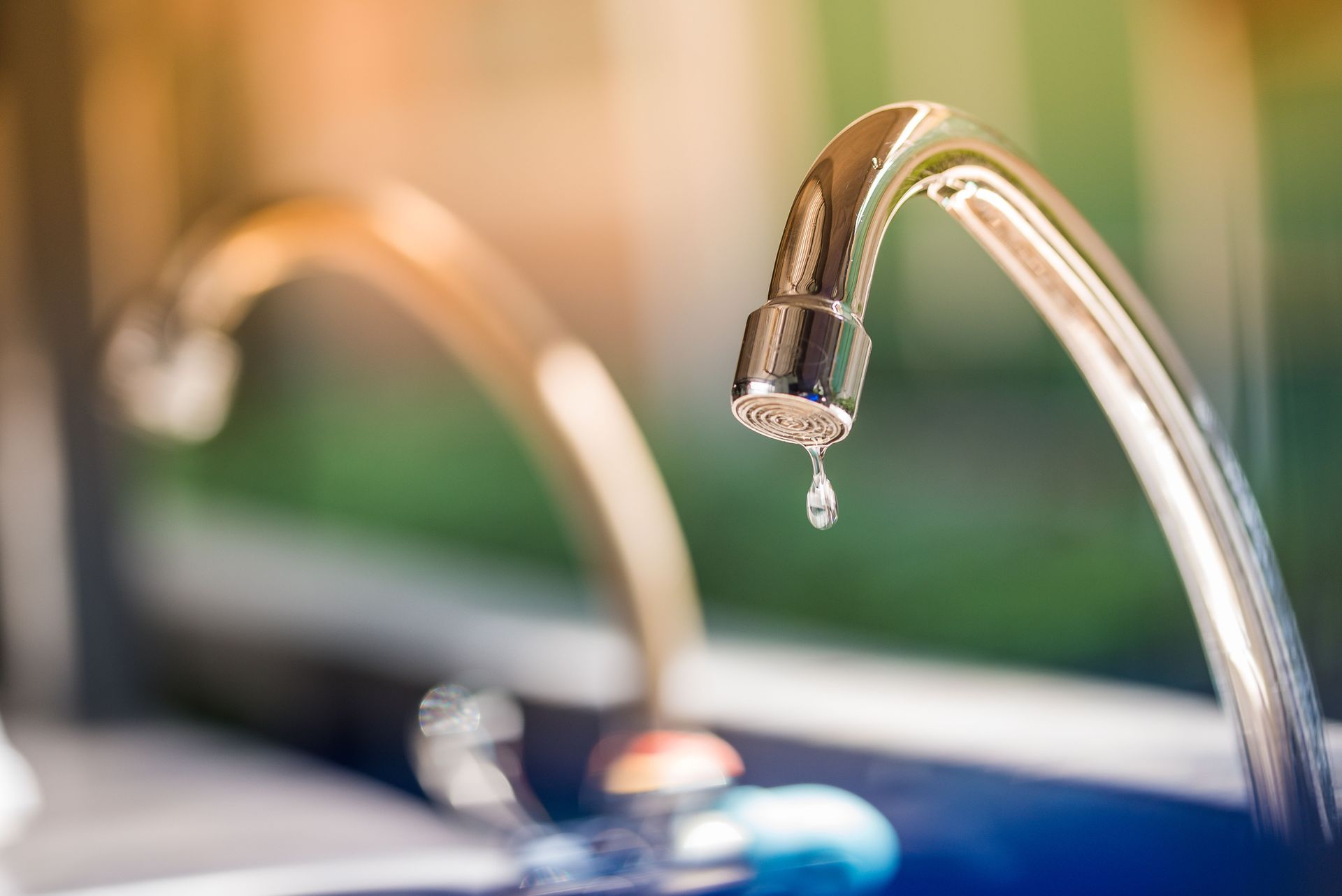
Dripping faucets are not only an annoyance but also a source of significant water wastage. Prompt repairs prevent unnecessary water expenditure and reduce costs. Replacing faulty washers or seals typically resolves most dripping issues. This simple repair offers considerable environmental and financial benefits, conserving our precious water resources. Addressing such small leaks significantly impacts a home’s monthly utility bills and overall water footprint.
Over time, unresolved leaks can lead to increased internal pressure on plumbing systems. This can result in more significant failures, affecting the integrity of the entire system. Taking swift action to address these minor issues forms a cornerstone of effective conservation practices within the home. Elevate your home management by prioritizing water conservation and maintenance efforts.
Low-flow fixtures are a smart solution for reducing water consumption without sacrificing performance. These fixtures maximize efficiency by using aerated water streams, requiring less water for the same tasks. Upgrading to low-flow showerheads, faucets, and toilets substantially reduces household water usage. The move towards low-flow solutions supports wider sustainability efforts and reduces the environmental impact. Switching to low-flow options exemplifies a proactive approach to resource conservation.
Low-flow installations can result in significant long-term savings on water bills. As utility costs rise, such investments offer enduring value. These fixtures often fit modern designs, adding aesthetic appeal without compromising efficiency. Partnering with professionals to find suitable options ensures optimal integration into existing systems. Embracing this shift aligns with broader eco-friendly efforts, contributing to conservation at a community level.
Landscaping needs can often lead to excessive water usage if not managed strategically. Employing efficient watering techniques ensures healthy plants without overconsumption. Timers, drip irrigation systems, and rain sensors are invaluable tools in promoting water-efficient gardening. Adjusting watering schedules seasonally optimizes the water delivery and prevents wasteful practices. These techniques embody a balance between plant health and responsible resource management.
Efficient watering resonates with wider conservation missions, both regionally and globally. Individual households can significantly reduce their environmental footprint through targeted techniques. Incorporating water-efficient practices contributes to healthier landscapes and robust ecosystems. By embracing these methods, homeowners actively engage in resource conservation. The cascading benefits of these practices reverberate beyond immediate surroundings, impacting broader environmental conditions.
Monitoring water usage is crucial for identifying inefficiencies and potential leaks. Many tools and technologies are available to track and manage water consumption. Smart meters provide real-time data and alerts on unusual usage patterns, offering an invaluable insight into household water use. By closely observing these metrics, homeowners gain a clearer picture of their consumption habits. Coupled with actionable insights, monitoring systems empower households to optimize water usage.
Protecting your home’s plumbing system doesn’t require large investments or complex upgrades. By combining routine inspections, preventive maintenance, and mindful water conservation, homeowners can significantly extend the lifespan and reliability of their plumbing infrastructure. These simple habits reduce the risk of major issues, enhance efficiency, and support long-term savings. Whether installing low-flow fixtures, monitoring pressure levels, or addressing small leaks early, every effort counts. With consistent care and attention, your plumbing system will continue to perform dependably—bringing peace of mind and lasting value to your home. For
plumbing services you can count on, contact Excalibur Plumbing Pearland today.